Mastering Cinematic Realism: How to Get Midjourney Quality Without the Complexity
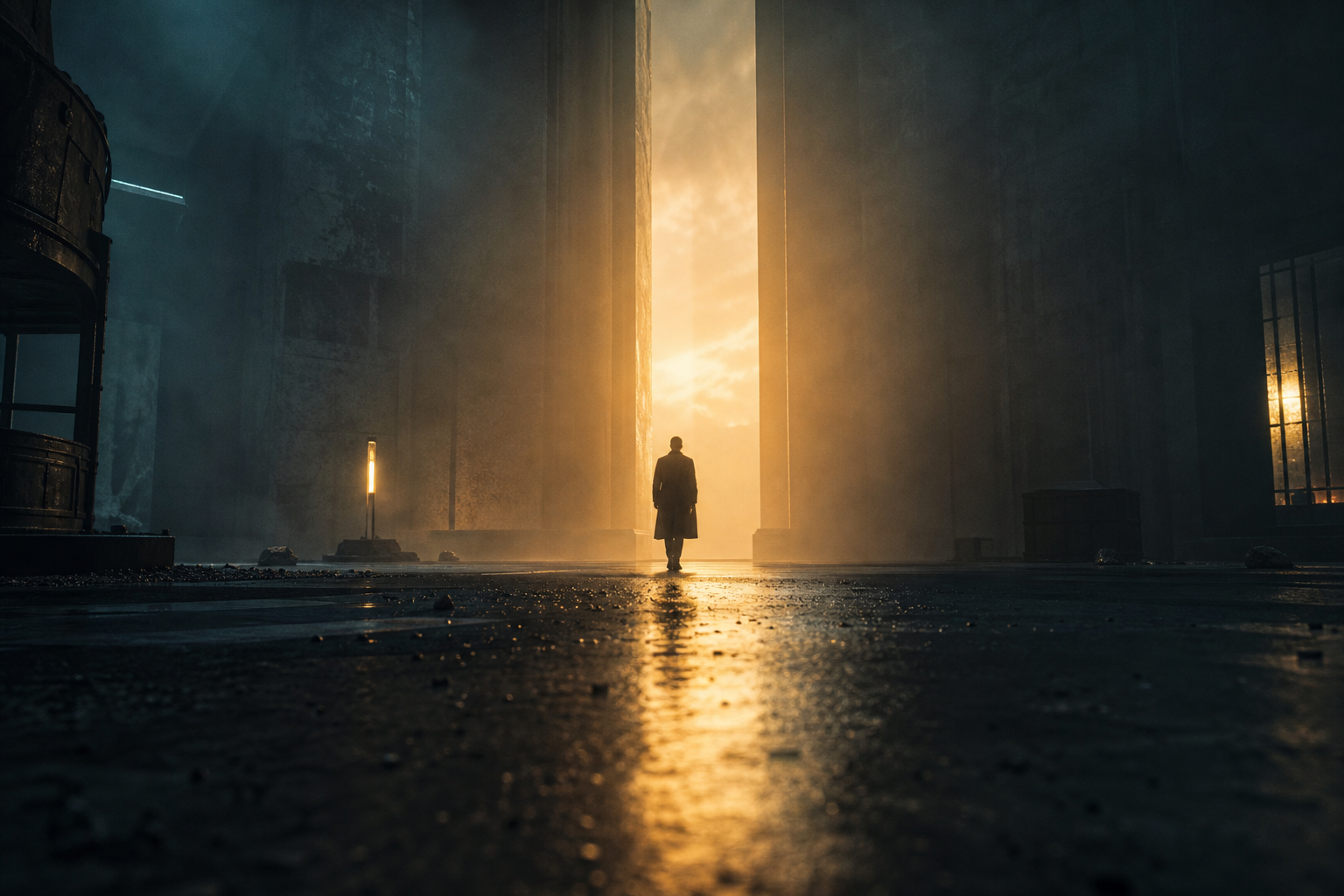
Cinematic images don't come from the subject, they come from the light and the glass. A coffee cup shot like a Denis Villeneuve frame is more compelling than a spaceship shot like a phone snapshot. In 2026, 'cinematic' is no longer a vague vibe word; it's a stack of specific, nameable parameters borrowed straight from film production. Learn the vocabulary and your stills stop looking generated and start looking shot on a set.
Speak in Film Stocks
Color science is the fastest shortcut to cinematic mood, and the easiest way to summon it is to name a film stock. Kodak Portra 400 renders warm, flattering skin and gentle pastels, ideal for portraits and fashion. CineStill 800T glows under neon and tungsten, perfect for moody night scenes. Fuji Pro 400H leans cool and editorial. Naming a stock gives the model a complete, internally consistent palette instead of a random grade.
Lenses, Ratios, and Shadow
Anamorphic lenses are the signature of the cinematic look: they produce oval bokeh, gentle edge distortion, and those horizontal blue lens flares. Add 'anamorphic lens' and a widescreen aspect ratio like 2.39:1 to instantly trigger filmic framing. Then motivate your light, instead of 'good lighting,' specify a source: 'volumetric light spilling through a single window, dust in the air, deep shadow falloff.' Volumetric shadows and a clear key source create the three-dimensional depth that flat AI renders lack.
Cinematic Suffix: shot on Kodak Portra 400, anamorphic lens, 2.39:1 aspect ratio, volumetric lighting from a single motivated source, deep shadow falloff, shallow depth of field, subtle film grain, teal-and-orange color grade, cinematic still, photorealistic
Append that suffix to almost any subject prompt and watch the tone transform. Adjust the film stock and color grade to match the emotion you want.
- Pick a film stock for instant, coherent color science (Portra 400 = warm skin).
- Add 'anamorphic lens' for oval bokeh and horizontal flares.
- Use 2.39:1 or 16:9 to force widescreen, filmic composition.
- Always motivate the light source ('from a single window or streetlamp').
- Keep grain subtle, heavy grain reads as digital noise, not film.
Cinematic realism is a recipe of stock, lens, ratio, and motivated shadow, not luck. Build the suffix above into your prompt library, drop it onto your next scene in Manus, and dial the film stock until the frame feels like it belongs in a feature.